Toll Free






Machining Magnetic Controllers
Fluxtrol materials are composites made of metal powder and plastic binders, and their machinability is between plastics and metals. Fluxtrol materials are strong in compression with less strength in tension or bending loads. Different grades of Fluxtrol materials require different technique for the best results. Ferrotron 559H is closer to plastics while Fluxtrol A and 100 are more similar to light metals although they are more brittle.
General machining practice must be used for different machining operations – blade and band saw cutting, milling, turning, drilling, grinding. CNC machining is recommended. Water jet cutting may be effectively used when possible. For each material it is recommended to establish optimal regimes of machining on samples before producing multiple parts.


Download Material Specs and Sizes (PDFs)

Contents
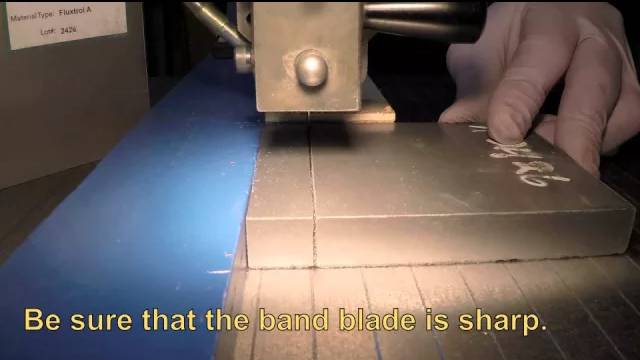
Bandsaw Cutting
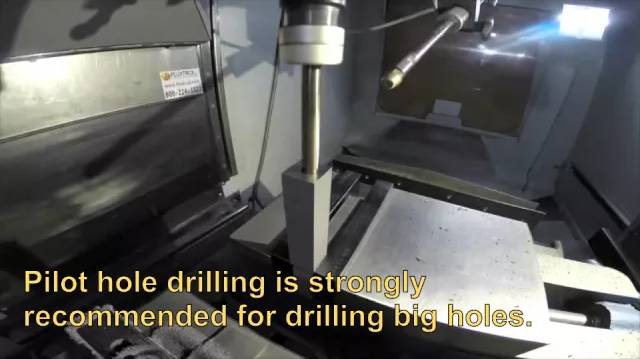
Drilling
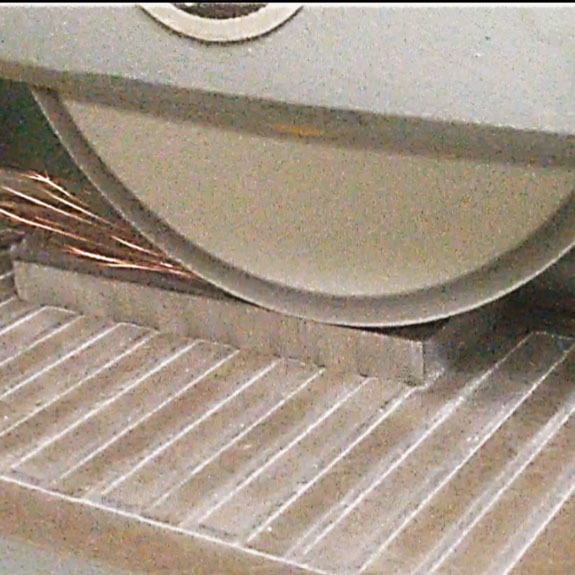
Grinding
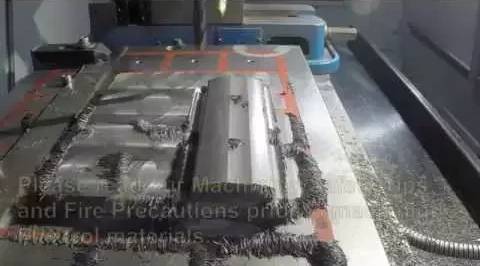
Milling
Turning

WaterjetCutting
Machining Properties

Machining Graphs
General guidelines for machining
- Handle materials with care. For milling and grinding, the material may be held on magnetic table by magnetic forces. Be careful when clamping material in lathe and vise. Too high applied force can cause marks/defects on the surface the part or even break it.
- Different grades of metal cutting tools (cutters, mill and drill bits) may be used for machining Fluxtrol materials. High Speed Steel tools give good results. Tools with Tungsten Carbide inserts and tools with TiN or AlTiN coating are the premium cutters with excellent performance.
- Tools must have sharp cutting edges. Dull tools will result in slow cutting, material burns and creation of hot chips “sparks” that can ignite smoldering fire in dust collection areas.
- Though machining may be performed without any cooling, the air cooling of a cutting tool is beneficial allowing the user to increase machining speed and remove chips and dust from the cutting zone. Liquid cooling allows increase of cutting speed and improve surface quality.
- see Safety tips and fire precautions
Machining Stock Sizes
Round Stock Sizes
Rectangle Stock Sizes
Rounds / Billets
Rectangular Blocks
Latest News


01
Dec
Fluxtrol Presents: Improving High-Frequency Tube Welding with Soft Magnetic Composite Impeder Cores


Read More

06
Nov
Fluxtrol Inc. & ASM Heat Treating Society Give Awards to Young Scientists at Heat Treat 2025 Conference
Read More

01
Nov
Fluxtrol Sponsors Student Research Competition at Heat Treat 2025
Read More

01
Oct
Fluxtrol Presents Research at the 10th International Scientific Colloquium, Leibniz University Hannover
Read More

01
Sep
Fluxtrol Showcases SMC Impeder Technology at FABTECH 2025
Read More

20
Aug
Are Your Quench Probe Readings Missing the Full Picture?
Read More